
About Us
OUR MISSION

To protect the mountains, forests, waters, and working lands of North Georgia, permanently, voluntarily, and in partnership with the people who love them most.
We are a 501(c)(3) nonprofit organization serving the North Georgia mountains and foothills and our communities since 1991.
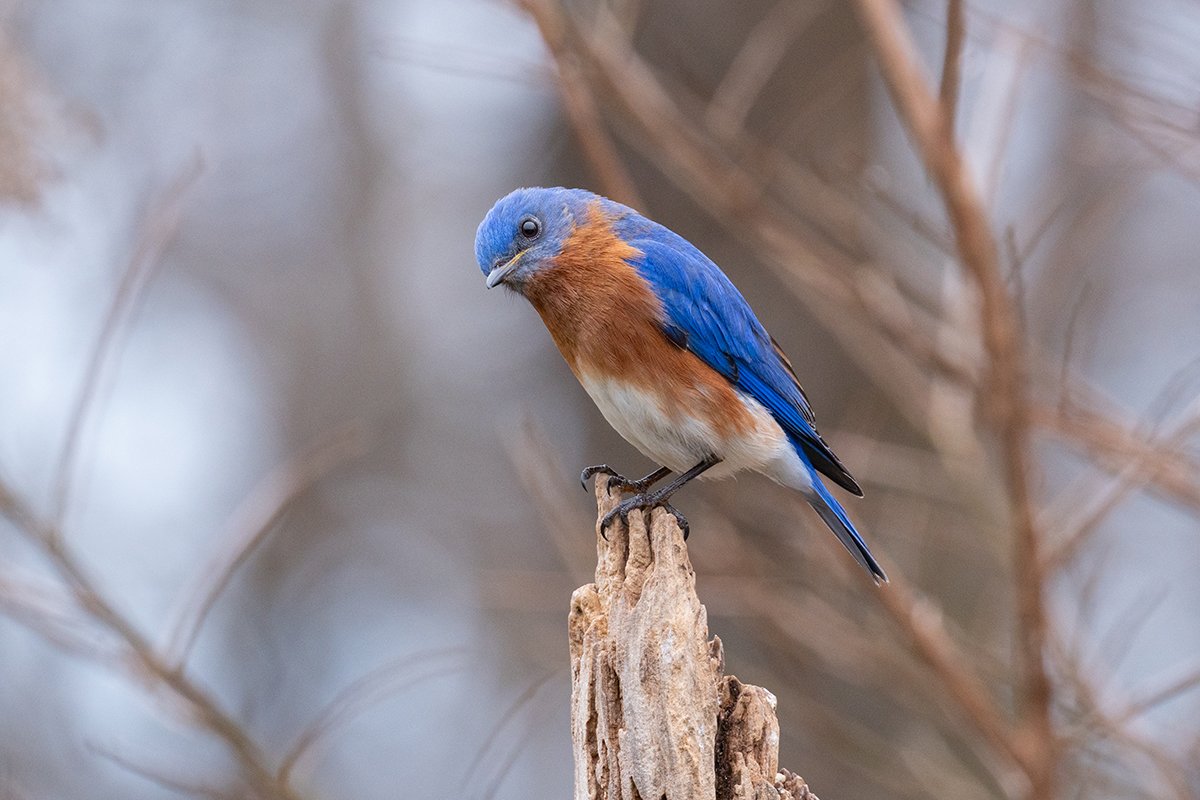
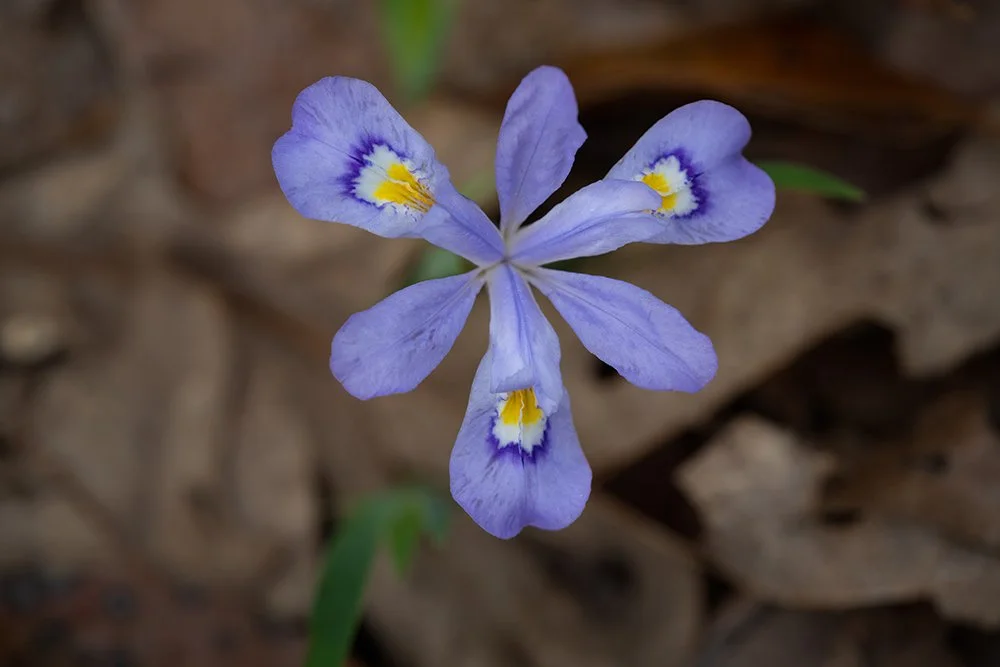
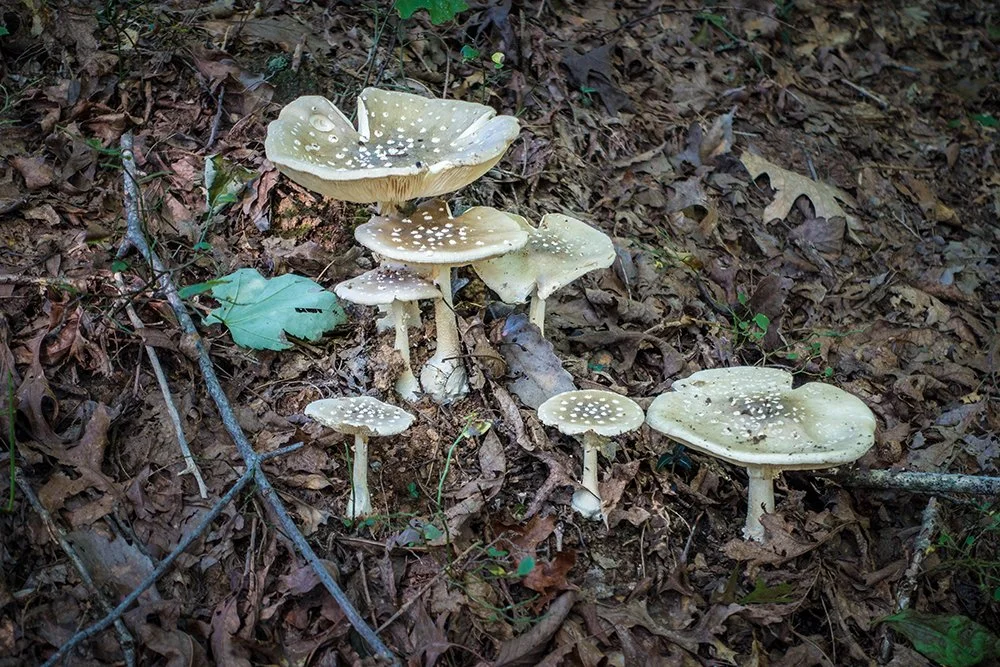

Four ways we work toward one goal.
Land Protection
Our primary work is partnering with willing landowners to create permanent conservation easements on their properties. We handle every step, from the first conversation through legal drafting, baseline documentation, and the annual stewardship monitoring that continues in perpetuity. We are thorough because we have to be: an easement we sign today is meant to hold for generations to come.
Landowner Collaboration
We provide resources about best practices for land management and workshop opportunities for hands-on training for landowners.
Conservation Partnerships
No land trust protects landscapes alone. We work alongside partners like state and federal agencies, neighboring land trusts, local governments, and community organizations. When a landowner's property connects to state forest, a wildlife corridor, or another protected parcel, those relationships are what allow us to protect it well.
Community Engagement
We believe conservation works best when people understand it. We engage with our communities through outreach and education to spread awareness of land conservation, natural resource protection, and the impact on natural spaces in Georgia. We want everyone in North Georgia, landowner or not, to understand what a conservation easement is, why it matters, and what is at stake if the mountains change.
Our Why
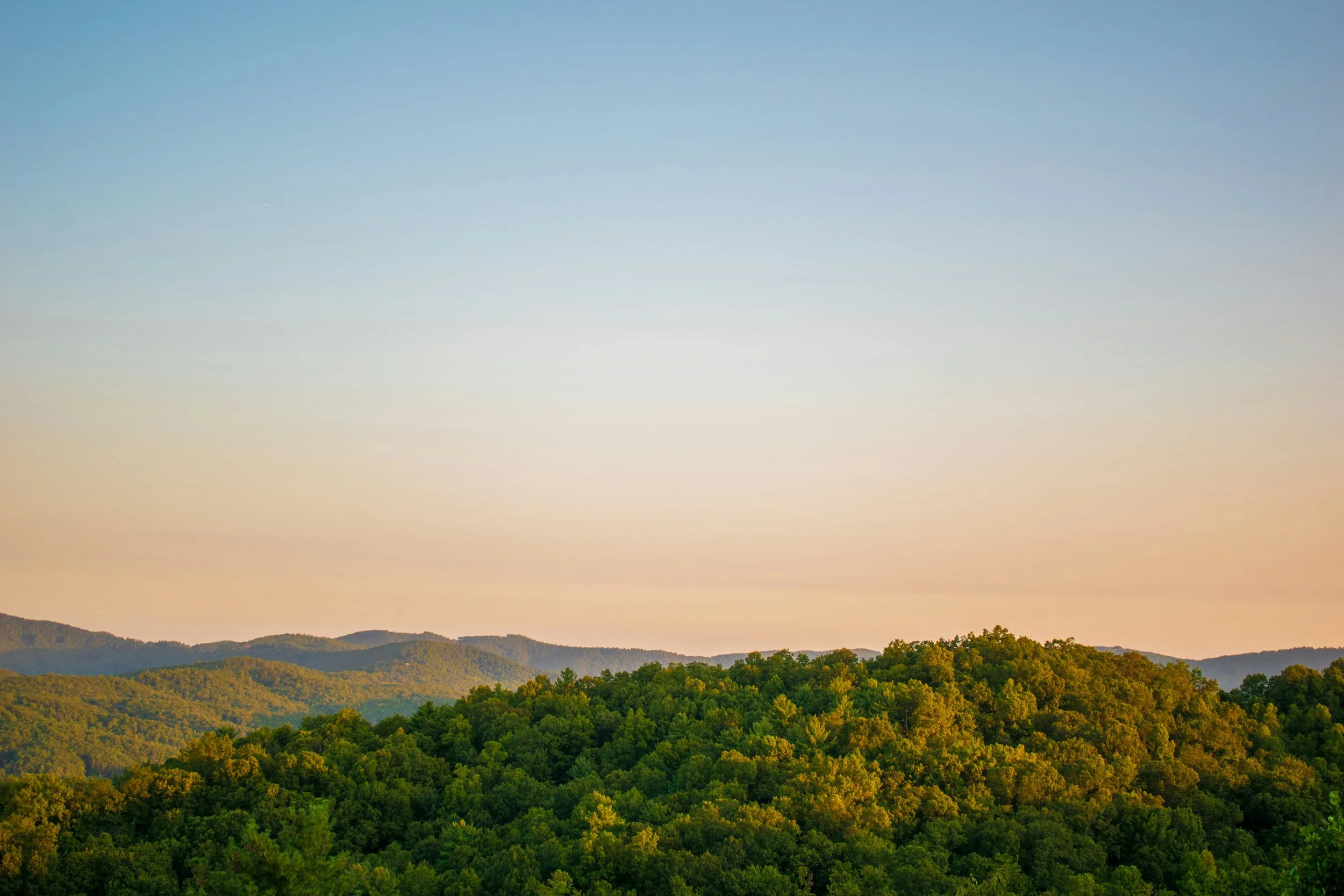
The mountains and foothills of North Georgia are one of the most biologically diverse regions in the world. These soils and waterways were developed over the course of hundreds of millions of years in one of the oldest mountain ranges. With hemlock groves, an abundance of creeks and rivers, roving black bears and bobcats, and over 50 species of salamander, this unique region establishes itself as a living system–one that deserves protection, forever.
This land is interconnected, and, together, MCT and private landowners work to stitch the landscape together with conservation easements. With more than 90% of lands in private ownership in Georgia, we rely on private landowners to be stewards of their land. Conservation easements are designed for landowners to keep ownership of their land while upholding the integrity of ecosystems and working farms and forests for generations into the future. They often connect corridors of habitat to larger tracts of public land and nearby conservation easements to protect wildlife habitat.
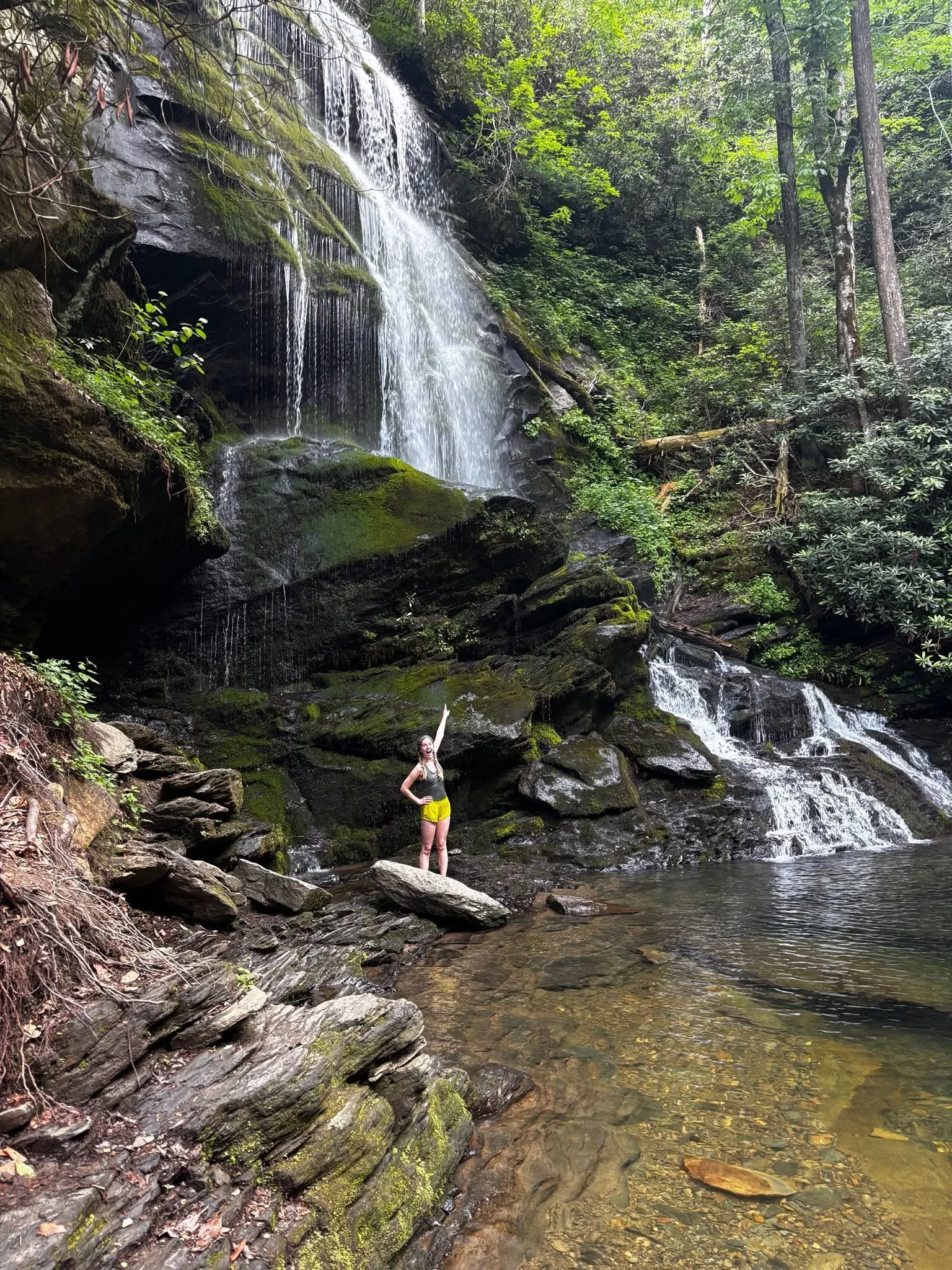
We live here. Amongst waterfalls, contiguous tracts of healthy forests, in watersheds that send clean rainwater into creeks, streams and rivers. We work here with our families in agricultural fields, sustainable forests and apple orchards. We connect with the outdoors here, fishing, hunting, kayaking, bird watching and hiking. Our mountain lives add to our economy as we welcome visitors to explore our outdoor recreation opportunities, and our small towns celebrate our cultural heritage through foodways, music and history education. Our lives and our lands are woven in the story of these foothills and mountains. Together, landowners are ensuring these stories will continue to be told.
Landowners are joining us to make an impact that protects our mountains and our heritage for generations to come through conservation easements. Those who are not landowners support this mission through our recreation program, joining us at events, becoming an annual member and through charitable gifts.
“Greater knowledge of the function of ecological systems like the southern Appalachian bioregion is essential for the survival of man as a part of—not apart from—the natural world. This understanding, transcending economic and political considerations, now becomes the major bridge uniting peoples of the earth.”

Dr. Charles H. Wharton
Ecologist, Educator, and Conservationist
One of the Grandfathers of Ecology & Conservation in Georgia
Over the years, our tactics have evolved to meet the ever-changing challenges facing the region, but our mission is unfaltering: to permanently conserve the natural resources and scenic beauty of the North Georgia foothills and mountains.
Dig Deeper
Our History
Learn how a group of committed individuals in North Georgia came together to carefully protect the land.
Our Impact
3o+ Years of Conservation
We’ve protected thousands of acres of the Appalachian Mountains since 1991.
